IRMINEX / PETROCHEMICAL SUPPLY
Iran's Petrochemical Production & Supply Industry
Explore Iran's petrochemical production base, its major product groups and industrial hubs — and understand the technical and commercial details that matter when sourcing petrochemical products for international markets.
A MAJOR INDUSTRIAL VALUE CHAIN
Iran's Petrochemical Industry: From Hydrocarbons to Industrial Products
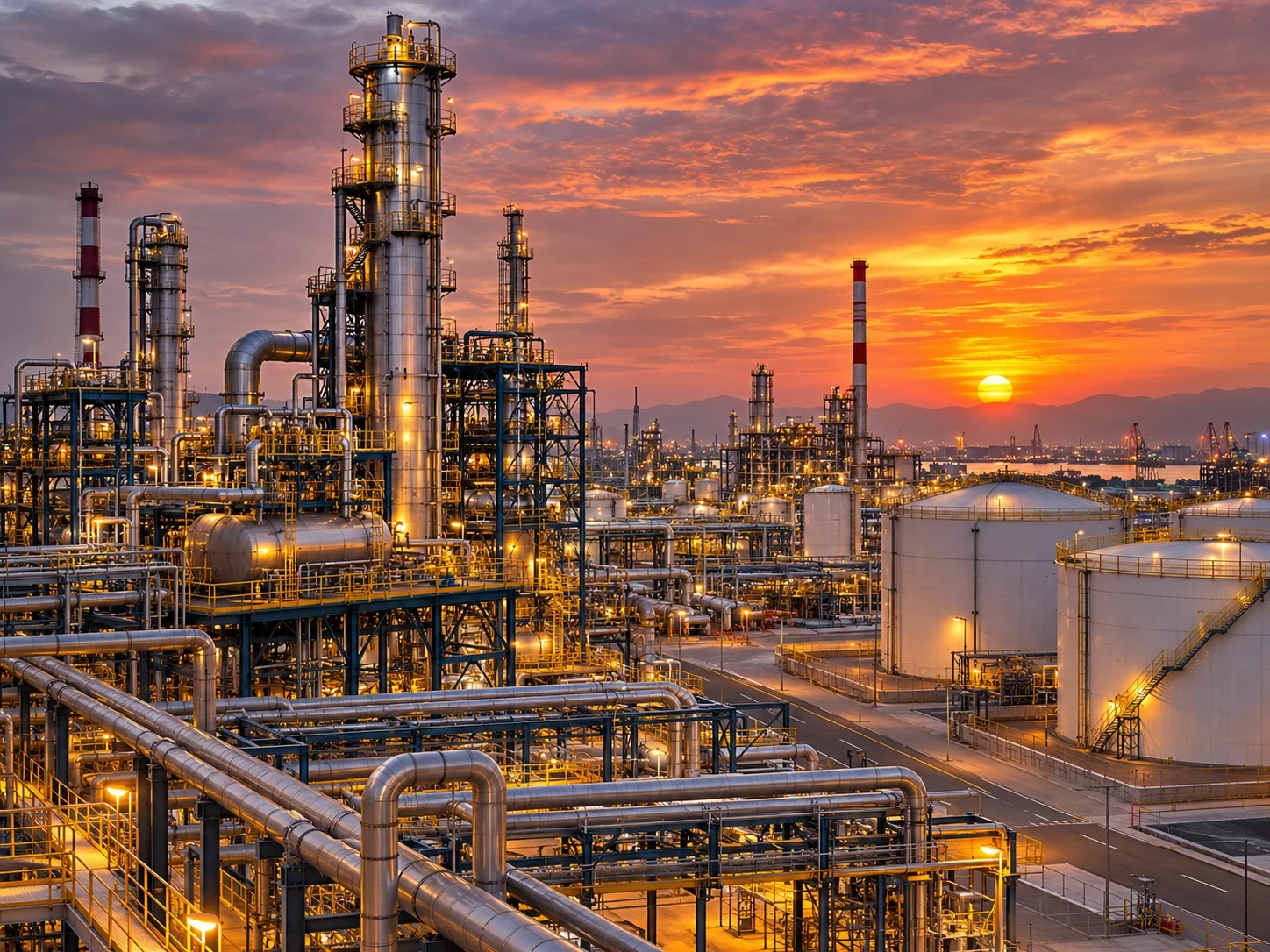
Iran's petrochemical sector converts natural gas liquids and liquid hydrocarbon feedstocks into a wide range of basic chemicals, polymers, intermediates and fertilizers. These products serve industries such as packaging, construction, agriculture, automotive, textiles and manufacturing.
The sector combines feedstock resources with large-scale coastal industrial clusters and a broad product base. Actual output and export availability, however, depend on plant operations, feedstock supply, product grade and commercial conditions at the time of enquiry.
 INDUSTRIAL PROCESSING & VALUE ADDITION
INDUSTRY SNAPSHOT / IRANIAN YEAR TO MARCH 2026
Scale of Iran's Petrochemical Industry
Selected sector-level figures reported by the National Petrochemical Company (NPC) for the Iranian year ending in late March 2026.
Nominal installed capacity reported by NPC.
Petrochemical products produced during the reported year.
Reported value of petrochemical output.
Reported export value for the same period.
Capacity is not the same as immediately available supply. On 11 October 2026, NPC's chief executive said that 60% of production capacity lost during the 2026 disruptions had returned to operation, while winter feedstock shortages remained a challenge. These are national-level figures; the operating status and export availability of each product must be reconfirmed individually.
Source: NPC statements reported by IranOilGas Network, 11 October 2026.
FROM FEEDSTOCK TO FINISHED PRODUCT
How Petrochemical Production Works
Feedstock selection and process configuration determine which chemical families a complex can produce. Iran's sector uses natural gas and liquid hydrocarbon streams to supply a range of conversion processes.
Feedstock
Natural gas, ethane, propane, butane and naphtha, depending on the production route.
RAW MATERIALSPrimary Chemicals
Olefins, aromatics, methanol, ammonia and other base chemical intermediates.
CONVERSIONDownstream Products
Polymers, resins, fertilizer products and further chemical derivatives.
VALUE ADDITIONIndustrial Markets
Products prepared for domestic users and international trade, subject to specification and contract.
MARKET & EXPORTPRODUCT FAMILIES
Key Petrochemical Products and Their Applications
Iran's petrochemical value chain covers several product families. Product availability, grade and packaging vary by producer and operating complex.
Polyethylene, Polypropylene & PVC
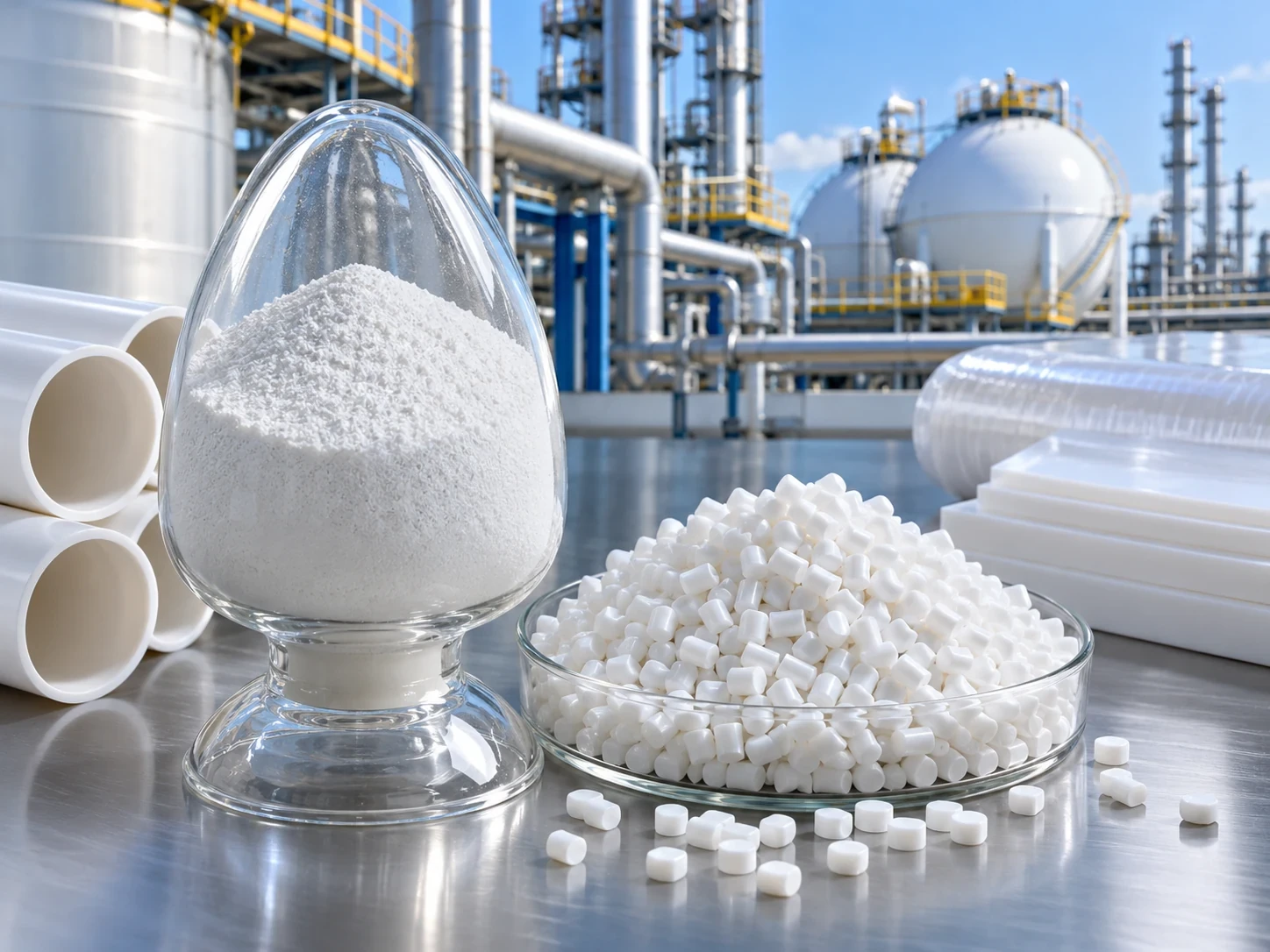
Thermoplastic materials used in packaging, pipes, construction products, films, consumer goods and industrial components.
LDPE · HDPE · LLDPE · PP · PVCBASIC CHEMICALS
Methanol
A major chemical feedstock used in formaldehyde, acetic acid and other chemical value chains, as well as selected energy applications.
FERTILIZER FEEDSTOCK
Ammonia
An essential intermediate for nitrogen fertilizers and a range of industrial chemical applications.
FERTILIZERS
Urea
A widely traded nitrogen fertilizer supplied in grades and forms that must match buyer and destination requirements.
OLEFINS
Ethylene & Propylene
Core building blocks for polyethylene, polypropylene and multiple downstream chemical derivatives.
AROMATICS
Benzene & Related Streams
Aromatic intermediates used in the manufacture of resins, synthetic materials and other chemical products.
HYDROCARBON STREAMS
Propane, Butane & LPG
Hydrocarbon products used as fuels and as feedstock in selected petrochemical processes.
LIQUID FEEDSTOCKS
Naphtha & Other Streams
Liquid hydrocarbon streams used in refining, blending and petrochemical feedstock applications.
This is an overview of product families within Iran's wider petrochemical and hydrocarbon value chain, not a live stock list or confirmation that every grade is currently offered by IRMinEX.
INDUSTRIAL GEOGRAPHY
Major Petrochemical Production Hubs
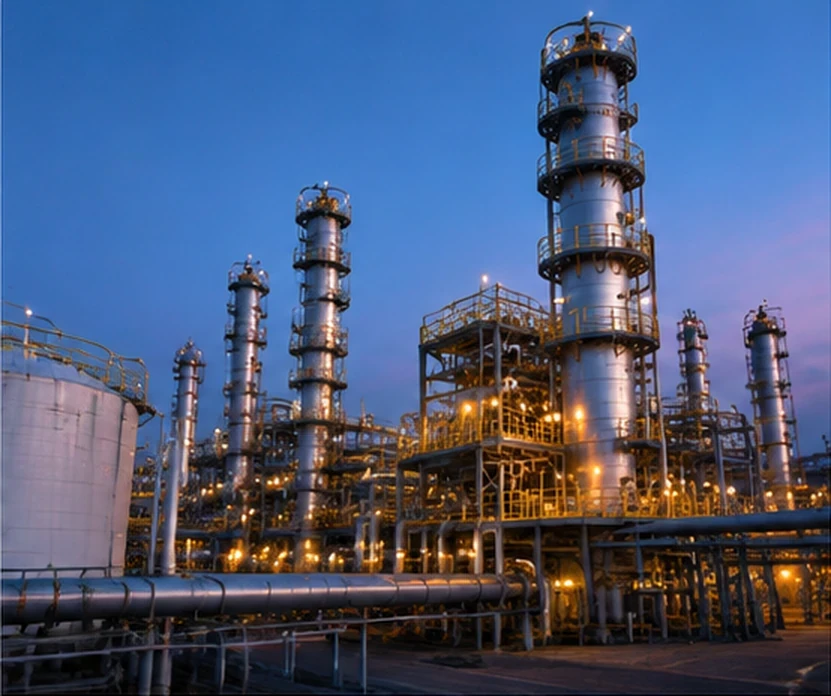
Iran's petrochemical infrastructure is distributed across coastal industrial zones and other production locations. Two of the best-established clusters are Assaluyeh and Mahshahr.
Assaluyeh & South Pars
A major coastal energy and petrochemical cluster linked to South Pars gas resources, gas processing and downstream chemical and polymer complexes.
Mahshahr & Bandar Imam
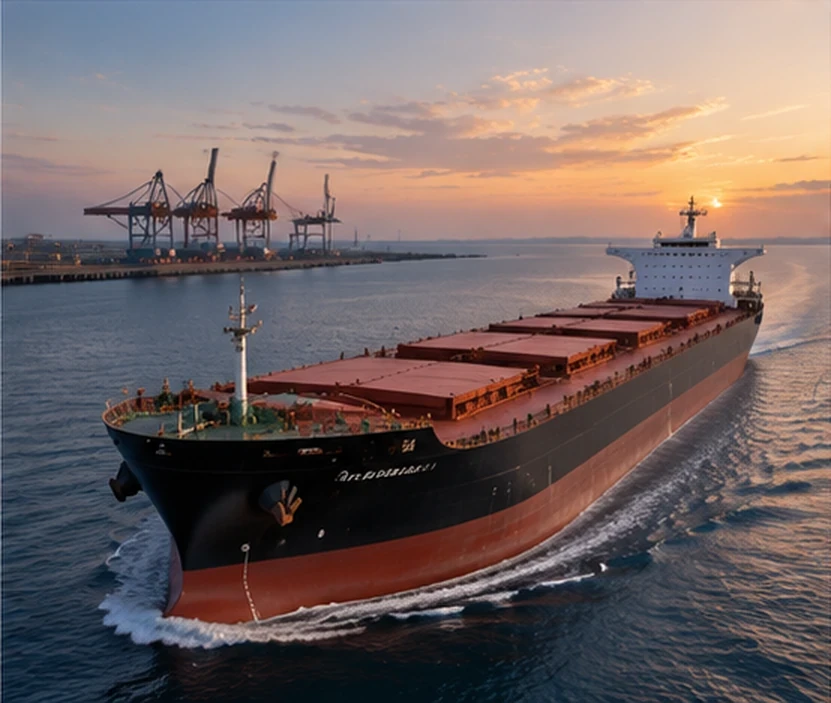
An established petrochemical zone with integrated production facilities and connections to industrial utilities, storage and export infrastructure.
Additional Production Locations
Petrochemical and related chemical facilities also operate in other provinces. Product slate, feedstock route and logistics arrangements differ by site.
Regional context: Türkiye Ministry of Trade, Iran Market and Petrochemical Sector Briefing, 25 November 2025.
EXPORT PROFILE / 2024
Products with a Significant Role in Petrochemical Exports
Trade data published in the Türkiye Ministry of Trade's 2025 Iran briefing highlights methanol, urea and polyethylene among the leading exported petrochemical products in 2024.
The figures below are reported export values for 2024, not current market prices, contract quotations or an indication of current product availability.
View the source reportINDUSTRY STRENGTHS & OPERATING FACTORS
What Shapes Iran's Petrochemical Competitiveness?
The country's industrial base creates important supply opportunities, while operational conditions need to be evaluated at product and plant level.
Hydrocarbon Feedstock Base
Natural gas and liquid hydrocarbon streams support a wide range of chemical conversion routes.
Integrated Industrial Clusters
Co-located facilities can connect feedstock processing, primary chemicals, polymers and utilities.
Broad Product Mix
Olefins, aromatics, polymers, methanol and fertilizers serve different industrial demand segments.
Coastal Trade Infrastructure
Major southern industrial zones are positioned near Persian Gulf export corridors.
Natural gas supply constraints, maintenance, utilities, logistics and plant-level disruptions can affect operating rates. A published national capacity figure should never be treated as proof of immediate availability for a specific cargo.
FOR INTERNATIONAL BUYERS
What to Confirm Before a Petrochemical Purchase
Petrochemical products are specification-driven. A clear enquiry helps establish whether the requested grade and delivery terms can be reviewed.
Submit a Product EnquiryPETROCHEMICAL PRODUCTION FAQ
Frequently Asked Questions
Key information for buyers researching Iran's petrochemical industry and product supply.
What is Iran's current petrochemical production capacity?
According to the National Petrochemical Company chief executive, Iran's installed annual petrochemical capacity exceeded 101 million metric tons in the Iranian year ending in late March 2026. Installed capacity is different from actual production and from exportable supply.
How much petrochemical product did Iran produce?
The same NPC statement reported production of more than 75 million metric tons during the Iranian year ending in late March 2026. Production and operating conditions can change by year and by complex.
Which petrochemical products are produced in Iran?
Iran's petrochemical value chain includes methanol, ammonia, urea, ethylene, propylene, polyethylene, polypropylene, PVC, aromatics and other chemical intermediates. The available grades and quantities vary by producer.
Where are Iran's main petrochemical production hubs?
Assaluyeh and Mahshahr are two of the country's major petrochemical clusters. Other chemical and petrochemical facilities are located in additional regions.
Does installed capacity mean that a product is available for export?
No. Capacity is a nameplate or installed measure. Actual availability depends on operating status, feedstock, maintenance, product grade, domestic commitments, logistics and applicable trade requirements.
What information should I provide for a supply enquiry?
Provide the product name, grade, quantity, packaging, destination country or port, preferred delivery term and any required technical documents or standards.
IRMINEX / PETROCHEMICAL ENQUIRIES
Looking for a Petrochemical Product from Iran?
Share your required grade, volume and destination. IRMinEX can review the enquiry and discuss the next commercial steps.