CEMENT RAW MATERIAL / IRANIAN SUPPLY
Clinker from Iran
A Key Intermediate Product for Portland Cement
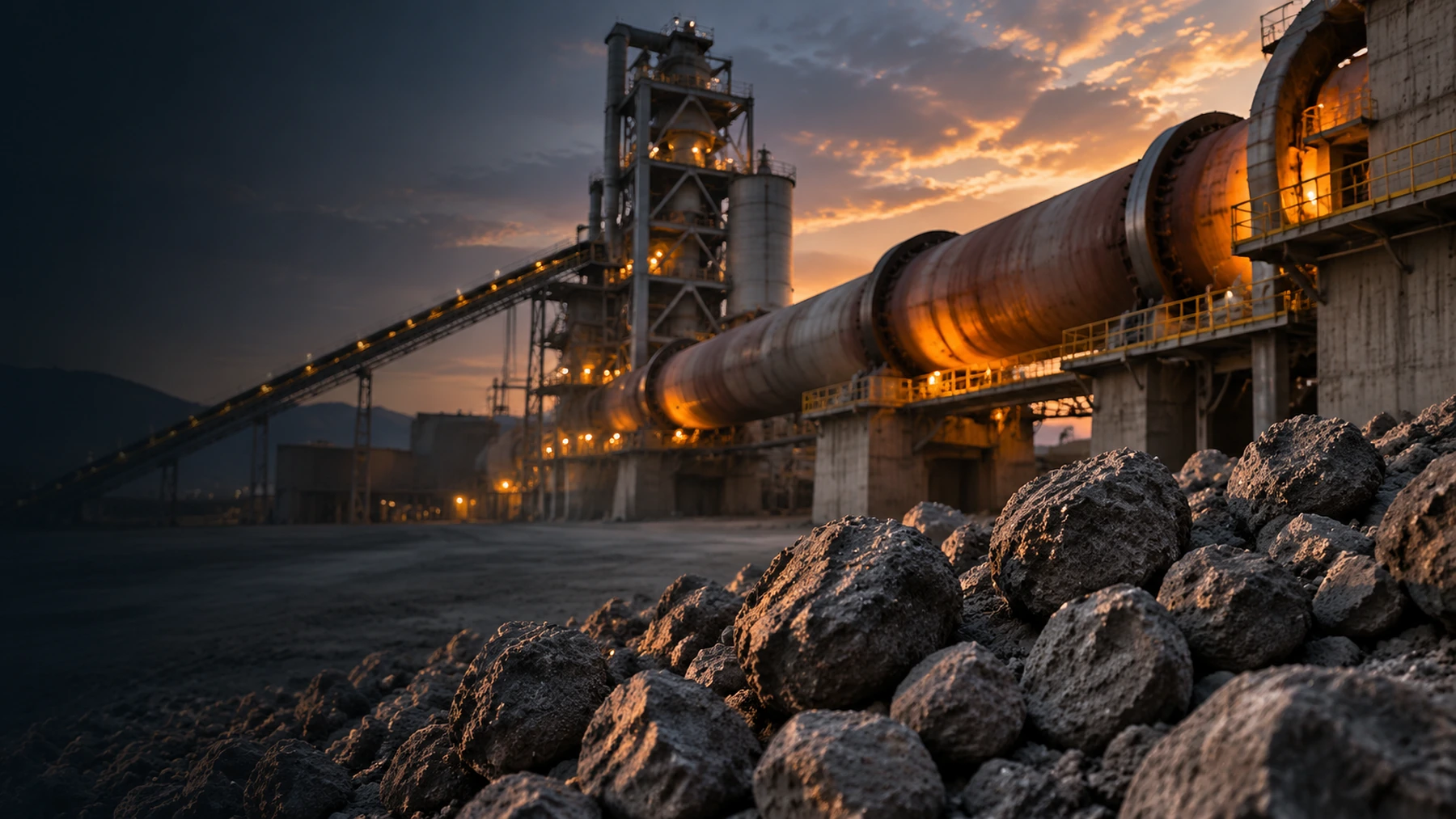
Clinker is the hard, nodular material produced by firing a prepared blend of limestone, clay and other additives in a cement kiln. After cooling, it is ground with a small amount of gypsum to produce Portland cement.
01 / PRODUCT OVERVIEW
What Is Cement Clinker?
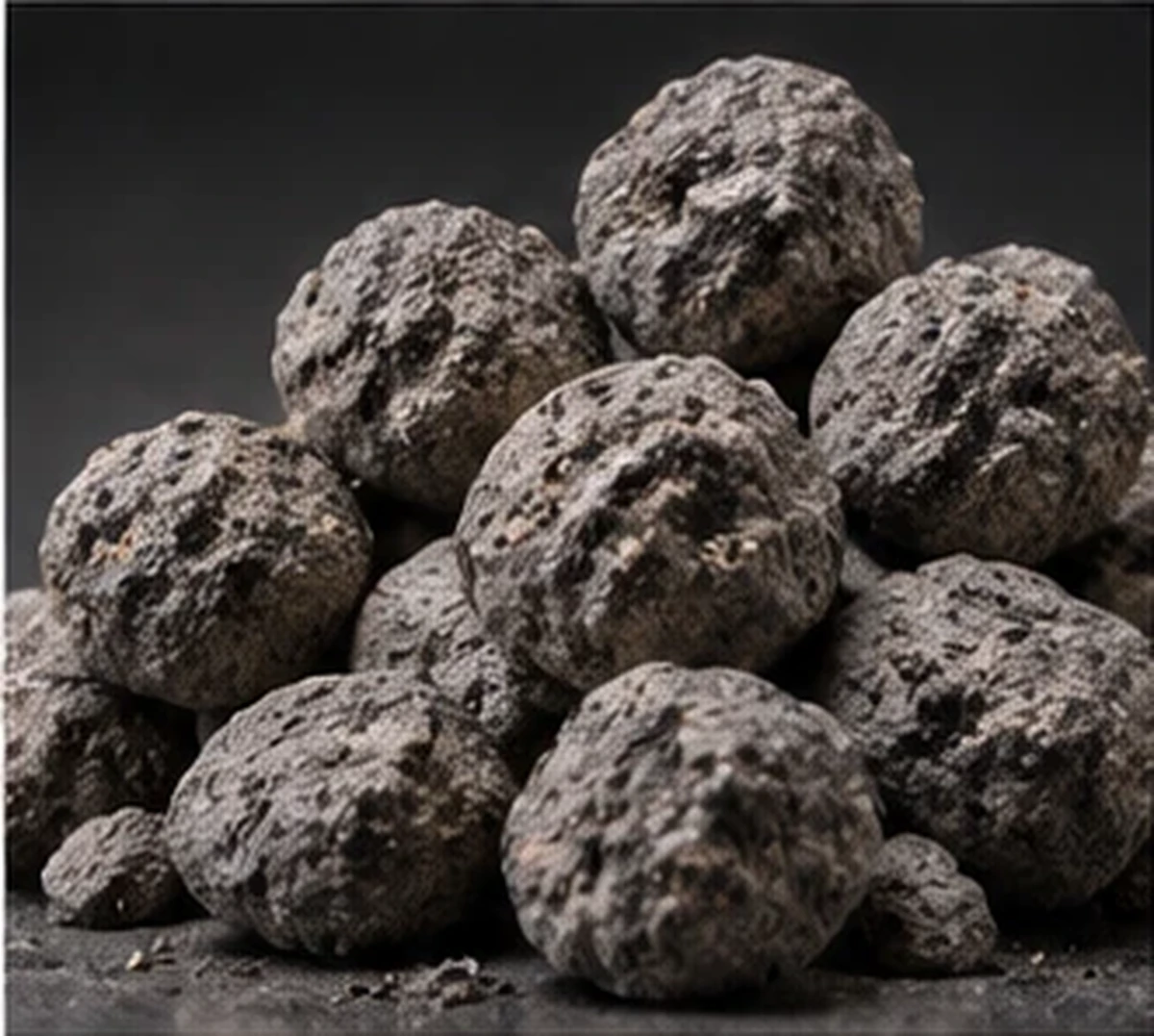
Clinker is an intermediate and essential product in cement manufacturing. It forms as hard, pellet-like or nodular grains when a carefully prepared blend of raw materials is fired at very high temperatures in a cement kiln.
The cooled clinker is not yet finished Portland cement. It is subsequently ground with a small amount of gypsum. The gypsum helps regulate the setting time of the resulting cement.
02 / CLINKER PRODUCTION PROCESS
From Raw Materials to Finished Clinker
The source article describes five main stages in clinker production, from preparing the raw mix to grinding the cooled clinker with gypsum to make Portland cement.
Raw Material Preparation
Limestone, clay and selected additives such as iron ore are mixed and ground in controlled proportions.
Limestone · Clay · AdditivesPreheating
The prepared raw mix passes through a preheater before entering the kiln. Initial heating helps evaporate part of its water and moisture.
Preheater · Initial heatingRotary Kiln Firing
The raw mix is heated in a rotary kiln at approximately 1,400–1,500°C, where chemical reactions transform it into clinker.
Rotary kiln · 1,400–1,500°CClinker Cooling
Hot clinker leaves the kiln and enters a cooling system. Cooling prepares the nodules for the subsequent grinding stage.
Cooling system · Product preparationGrinding with Gypsum
The cooled clinker is ground with a small amount of gypsum to produce Portland cement. Gypsum helps control setting time.
Clinker · Gypsum · Cement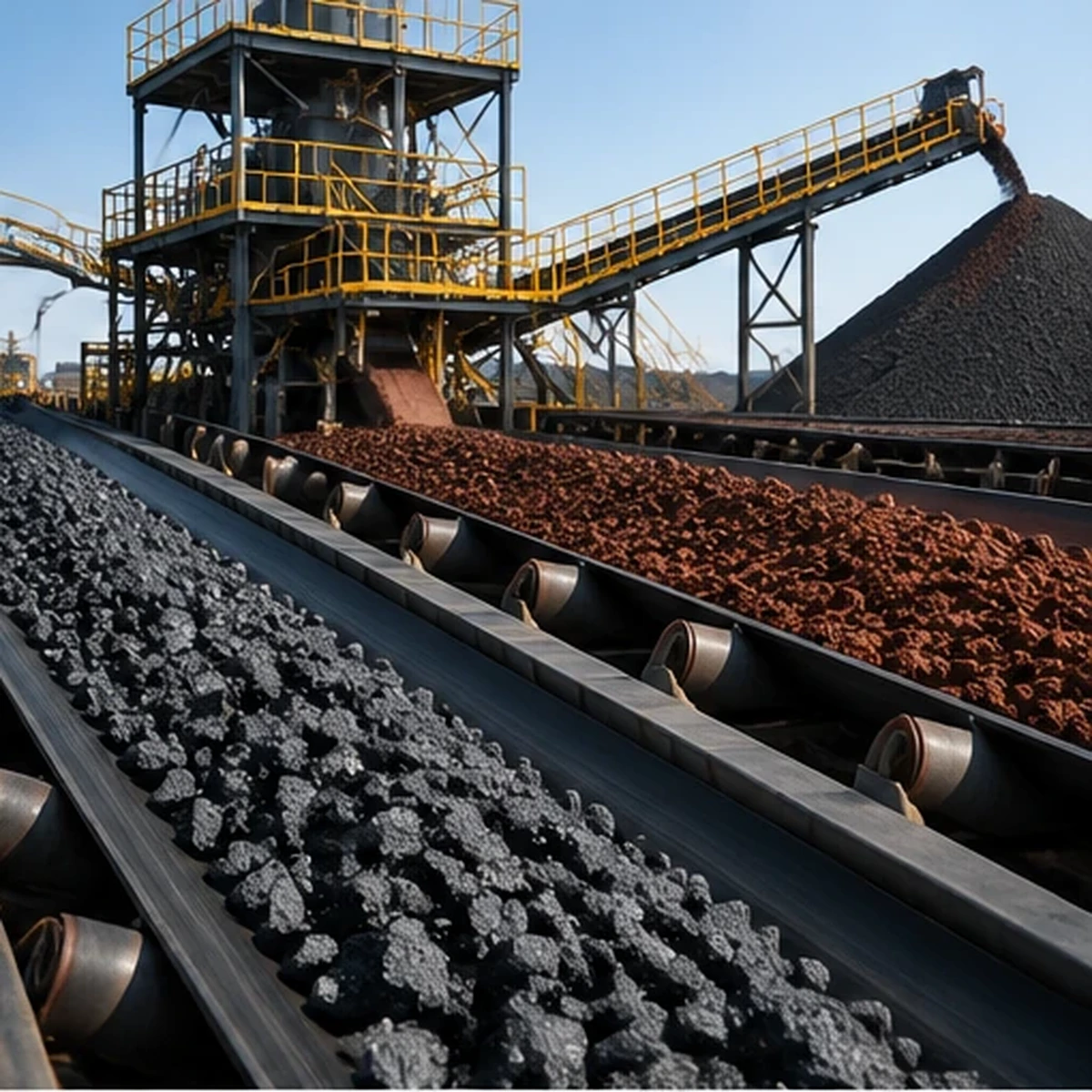
03 / CHEMICAL COMPOSITION
The Main Oxides in Clinker
The legacy IRMinEX article identifies four principal oxides in clinker. It does not provide percentage ranges or a current product assay, so no numerical chemical specification is assumed here.
Calcium Oxide
Major componentIdentified in the source article as the major component of clinker.
Silicon Dioxide
Strength & durabilityDescribed in the article as contributing to cement strength and durability.
Aluminium Oxide
Bonding & hardnessThe source article associates aluminium oxide with cement bonding and hardness.
Iron Oxide
Kiln reactionsDescribed as helping reduce the melting temperature of the clinker raw mix.
04 / APPLICATIONS
Where Is Clinker Used?
Clinker is primarily an intermediate material for cement manufacturing. The legacy IRMinEX article also highlights its role in international trade as a product shipped to cement producers for further processing.
Portland Cement Production
Clinker is ground with a small amount of gypsum to produce Portland cement, which is then used in concrete and building mortars.
Primary applicationInternational Cement Supply
Clinker can be exported as an intermediate product to other countries, where importing facilities grind it and manufacture cement.
Intermediate export product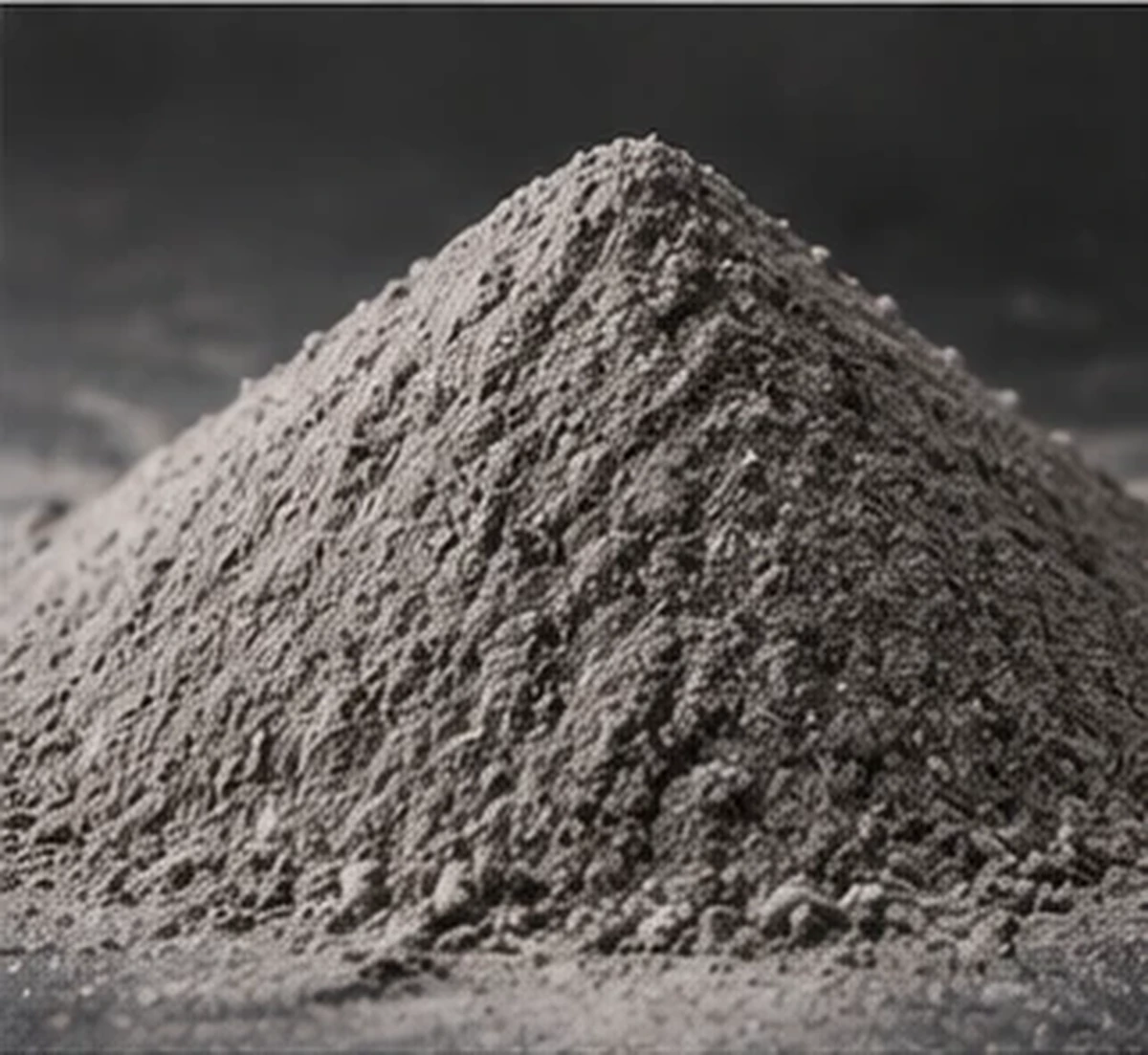
05 / PRODUCT ADVANTAGES
Why Clinker Is Traded as a Separate Product
The source article identifies transportability and durability as two advantages of clinker as an intermediate product in the cement supply chain.
Ease of Transportation
Clinker can be transported to cement plants and grinding facilities for conversion into cement closer to the destination market.
Durability & Stability
The legacy article attributes resistance to environmental factors to the high-temperature firing process used in clinker production.
Intermediate Supply Flexibility
Exporting clinker allows importing markets to use their own grinding and cement production infrastructure.
The third point describes the role of clinker in the supply chain; it is not a claim about a specific IRMinEX contract or current shipment programme.
06 / RAW MATERIAL RESOURCES IN IRAN
Mineral Inputs Supporting Clinker Production
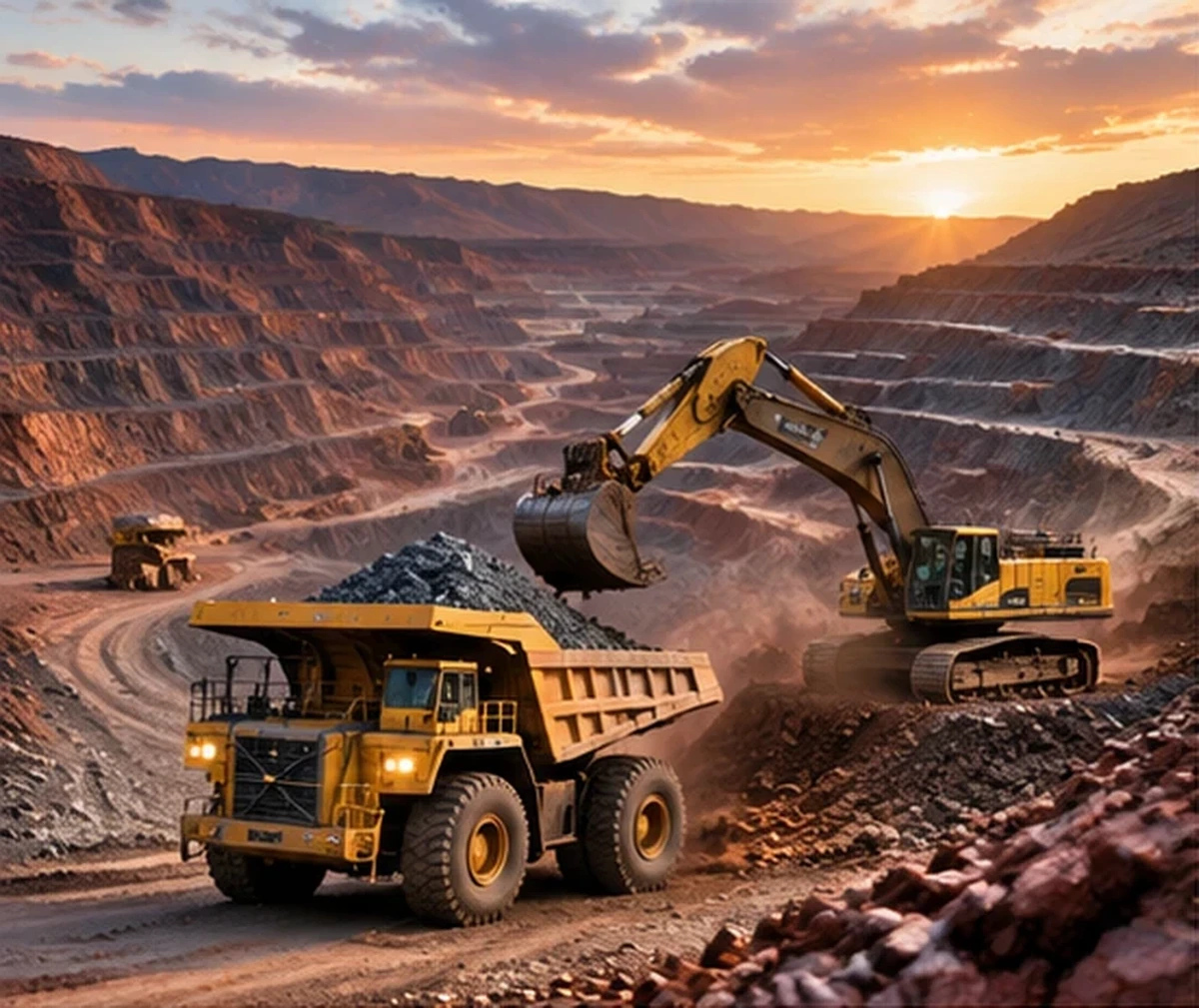
The legacy IRMinEX article identifies limestone, clay, iron ore and other minerals as the main raw materials used in cement and clinker production.
It describes these resources as being located in several parts of Iran, including central provinces, Khorasan, Kerman and Fars.
07 / IRANIAN CLINKER INDUSTRY
Iran’s Role in Clinker Production
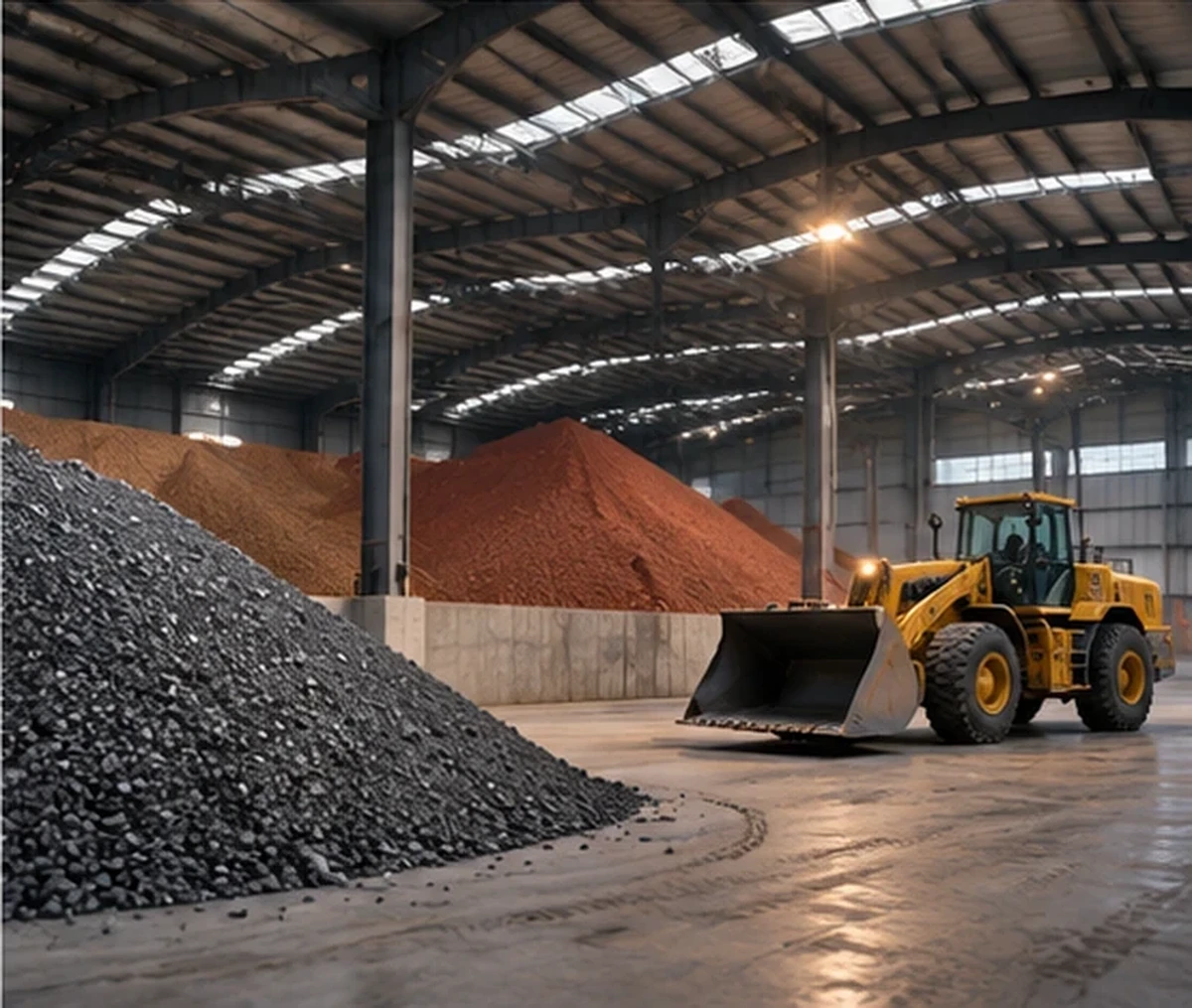
The 2022 IRMinEX article describes Iran as a major cement and clinker producer and exporter, supported by domestic raw materials and cement manufacturing infrastructure.
Tonnes of Annual Cement Production Capacity
The original article reports that Iran had more than 80 million tonnes of annual cement production capacity, with part of production exported as clinker. This is a historical figure from the 2022 source, not a verified current capacity statistic.
08 / EXPORT DESTINATIONS
Iranian Clinker in Regional and International Trade
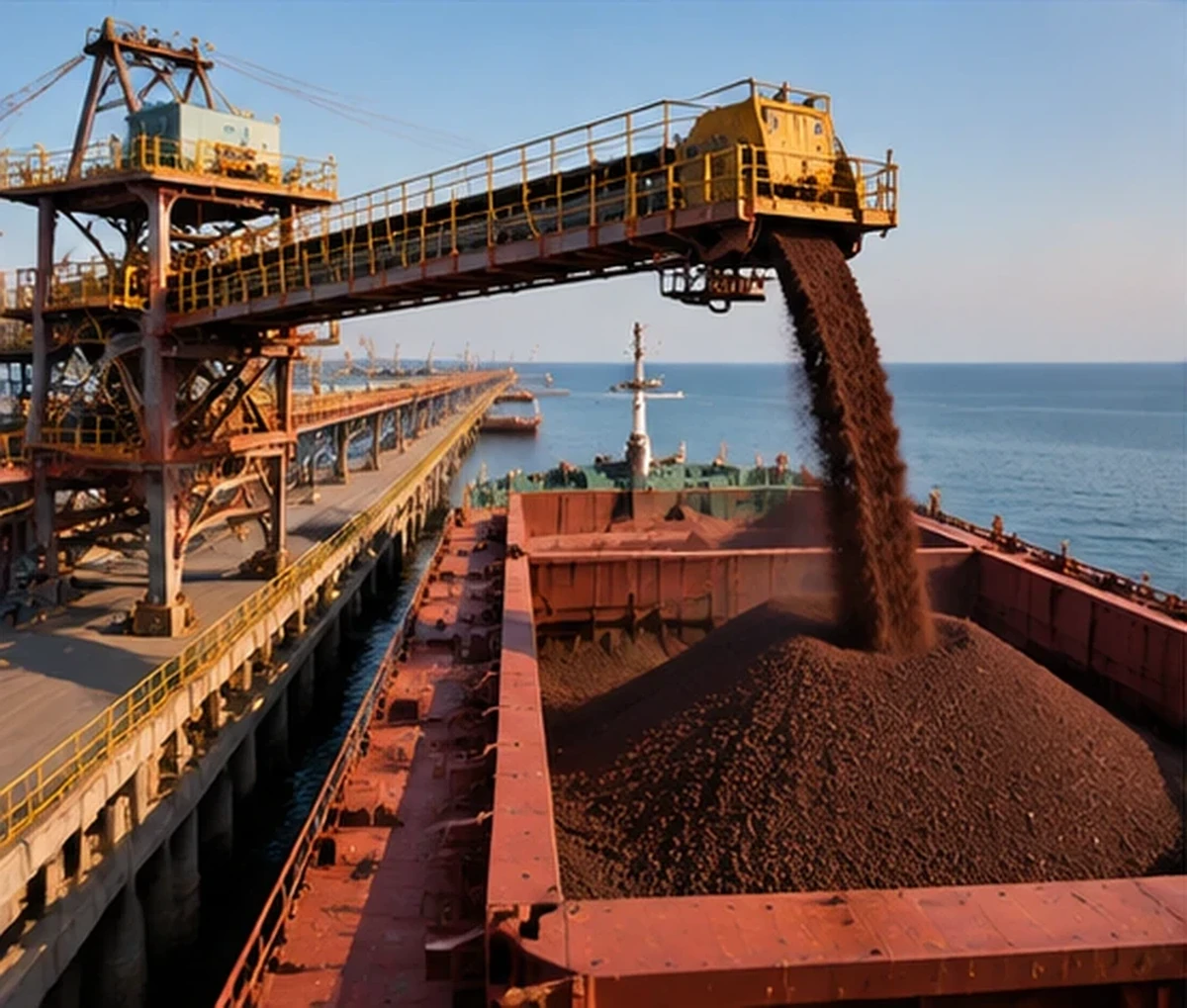
The legacy IRMinEX article describes clinker exports to neighbouring countries, Gulf markets, parts of Asia and African destinations. These are historical market references from the 2022 article and should not be read as confirmation of current trade availability.
09 / EXPORT CHARACTERISTICS
Commercial Factors Described in the Source Article
The original article highlights competitive pricing and product quality as features of Iranian clinker exports. These statements are presented here as source-attributed context rather than a guarantee for every product lot.
Competitive Pricing
The source article attributes price competitiveness to lower production costs. Actual offers depend on current production, specification, quantity, packing, delivery terms and freight.
Quality Assessment
The article describes Iranian clinker as suitable for different environmental conditions and construction projects. Buyers should confirm suitability through a current test report and agreed specification.
Export Market Expansion
The source article identifies growing demand in developing markets, particularly in Southeast Asia and Africa, as a potential opportunity for clinker exporters.
Production Capacity Development
Upgrading and optimizing cement and clinker plants is identified in the article as a route to improve production capacity and reach additional export markets.
10 / ECONOMIC IMPORTANCE
Clinker Exports and the Wider Cement Trade
The legacy IRMinEX article describes clinker exports as a source of foreign-exchange income and as evidence of the ability to supply building materials to international markets.
It also highlights the role of cement and clinker trade in strengthening commercial and economic relationships with countries investing in construction and infrastructure.
11 / BUYER ENQUIRY CHECKLIST
What to Include in a Clinker Enquiry
Clinker is a specification-driven industrial material. A clear enquiry helps establish whether a proposed product and shipment arrangement match the buyer’s cement production requirements.
CLINKER / FAQ
Frequently Asked Questions
Answers to common questions about clinker, its production process, composition and export role.
What is clinker in cement production?
Clinker is an intermediate product formed as hard nodules when a prepared blend of limestone, clay and other additives is fired at high temperatures in a cement kiln. It is later ground with gypsum to produce Portland cement.
At what temperature is clinker produced?
The original IRMinEX article gives an approximate kiln firing range of 1,400 to 1,500°C.
What raw materials are used to produce clinker?
The source article identifies limestone as a calcium source, clay as a source of silica and alumina, and additives such as iron ore.
What are the main chemical components of clinker?
The article lists calcium oxide (CaO), silicon dioxide (SiO₂), aluminium oxide (Al₂O₃) and iron oxide (Fe₂O₃). It does not publish percentage ranges or a product assay.
Why is gypsum added to clinker?
Cooled clinker is ground with a small amount of gypsum to produce Portland cement. Gypsum helps control the setting time of the cement.
Can clinker be exported separately from cement?
Yes. The source article describes clinker as an intermediate export product that can be shipped to other countries for grinding and cement production.
Which countries are mentioned as destinations for Iranian clinker?
The 2022 article names neighbouring markets including Iraq, Afghanistan, Pakistan and Turkmenistan, Gulf countries, and Asian destinations including India, China and Bangladesh. It also mentions African countries in general.
Does this page provide current clinker prices or available tonnage?
No. Current prices, availability, chemical specifications, shipment volumes and delivery terms must be confirmed for each commercial enquiry.
IRMINEX / CLINKER ENQUIRY
Discuss Your Clinker Supply Requirements
Share your required quantity, chemical specification, test documentation needs and destination. The IRMinEX team can review the enquiry and discuss the information needed for the next step.