

PETROCHEMICAL PRODUCTS / NITROGEN FERTILIZER
Urea from Iran
A Key Nitrogen Compound for Agriculture and Industry
Urea, with the chemical formula CO(NH₂)₂, is an important nitrogen compound used primarily as a fertilizer and also as a raw material across several industrial applications. IRMinEX provides a point of contact for enquiries about Iranian urea, product information and export coordination.

01 / PRODUCT OVERVIEW
What Is Urea?
Urea is an organic chemical compound with the formula CO(NH₂)₂. The original IRMinEX article describes it as a white, crystalline and odorless material that is highly soluble in water.
Urea is naturally formed in living organisms as a final product of protein metabolism and is also manufactured industrially. In commercial markets, its best-known role is as a nitrogen fertilizer, while it is also used in chemical manufacturing and selected technical applications.
02 / CHEMICAL & PHYSICAL CHARACTERISTICS
Key Properties of Urea
The values below follow the legacy IRMinEX article dated 2 December 2024. Commercial fertilizer specifications must be confirmed against the current supplier technical data sheet and batch certificate.
Chemical Formula
Urea is an organic compound containing carbon, oxygen, nitrogen and hydrogen.
Physical State
The source describes urea as a white, crystalline and odorless solid.
Thermal Property
Melting point stated in the original IRMinEX article.
Water Solubility
Urea dissolves readily in water, supporting use in several fertilizer applications.
03 / INDUSTRIAL PRODUCTION
How Urea Is Produced
The original IRMinEX article describes industrial urea production as a process based on ammonia and carbon dioxide, with natural gas used as a key feedstock in the upstream ammonia production chain.
Ammonia Production
In the source article’s simplified description, natural gas and nitrogen are used in the production of ammonia. Actual plants use an integrated process with several preparation and synthesis stages.
Ammonia + Carbon Dioxide
Ammonia reacts with carbon dioxide under elevated pressure and temperature to form urea intermediates, which are converted to urea in the synthesis and recovery sections.
From Feedstock to Finished Product
High-level process sequence; plant technologies and operating conditions vary.

04 / INDUSTRIAL APPLICATIONS
Where Urea Is Used
The source article identifies agricultural fertilizer as the primary application and also lists chemical, medical, automotive, leather and personal-care uses.
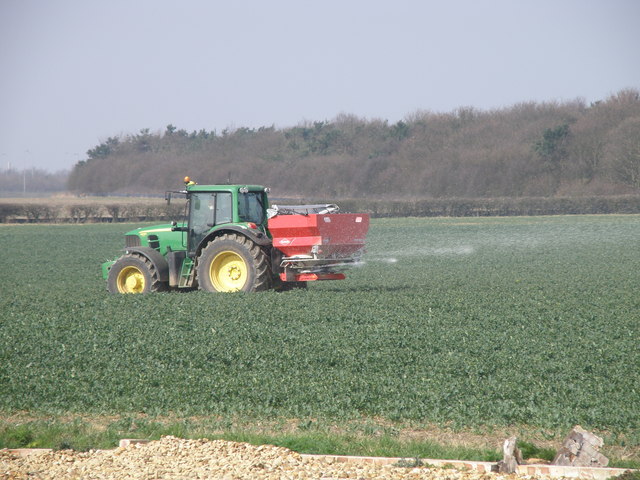 01
Agricultural Fertilizer
Urea supplies nitrogen for crop nutrition and is widely used in agricultural fertilizer programmes.
AGRICULTURE / CROP NUTRITION02Chemical Manufacturing
Urea is used in the manufacture of urea-formaldehyde resins, adhesives, plastics and other chemical products.
CHEMICAL INDUSTRY03Industrial Processing
Urea serves as a chemical feedstock in selected industrial formulations and manufacturing processes.
INDUSTRIAL RAW MATERIAL04Medical & Personal Care
The source article notes urea uses in selected topical medicines, creams and lotions. These are distinct from fertilizer-grade products.
MEDICAL / PERSONAL CARE 05
Resins, Coatings & Detergents
Urea is used in formaldehyde resin production and in some detergents, paints and related chemical products.
RESINS / COATINGS 06
Automotive & Leather
The source article identifies urea as a component in diesel exhaust treatment solutions and as a chemical agent in leather processing.
AUTOMOTIVE / LEATHER05 / IRANIAN UREA PRODUCTION & EXPORT
Iran’s Role in the Urea Market
The legacy IRMinEX article dated 2 December 2024 describes Iran as a significant urea producer and exporter, with petrochemical facilities across several provinces.
The article names Khuzestan, Bushehr, Fars and Tehran as locations associated with urea production. It also describes exports to India, China, Central Asian countries, Middle Eastern markets and Africa. These are source-era descriptions, not confirmation of current export destinations or shipment availability.
Current Market Verification
The 2024 source article does not provide current plant operating status, export volumes, available grades, prices, buyer allocations or shipment schedules. All commercial information must be reconfirmed before a quotation or supply commitment.
06 / MARKET CHALLENGES & OPPORTUNITIES
Factors Affecting Urea Supply
The original article highlights energy costs and international competition as challenges, while agricultural demand and process improvements are identified as opportunities.
Energy & Production Costs
Urea production is energy-intensive and depends on reliable feedstock and utilities. The source identifies natural-gas costs as an important production-cost factor.
International Supply
Producers in multiple regions compete on price, product quality, logistics and reliability of delivery.
Food & Crop Requirements
The source article points to agricultural development and food demand as drivers of fertilizer demand.
Operational Improvements
Process optimization and technology improvements can support more efficient production and consistent product quality.
07 / TECHNICAL SPECIFICATIONS
What Urea Buyers Should Verify
The original IRMinEX article provides general chemical and physical information, not a complete commercial specification. Buyers should request a current technical data sheet and certificate of analysis for the offered batch.
08 / PRODUCT FORMS & HANDLING
Prilled and Granular Urea
Commercial urea may be supplied in different physical forms. The exact form, size range and handling requirements must be agreed with the supplier.
Prilled Form
Small rounded particles produced through a prilling process. Buyers should specify particle-size requirements and application needs.
Granular Form
Granules are formed through granulation technology and may have a different size profile and handling behaviour from prills.
Bagged or Bulk Shipment
Confirm the available packing format, shipment quantity, loading method, destination and required export documents.
09 / EXPORT & SUPPLY COORDINATION
From Urea Enquiry to Shipment Planning
Urea export discussions require alignment between product grade, quantity, packaging, destination regulations and logistics feasibility.
Confirm the Product
Identify fertilizer or industrial grade, prilled or granular form, required specifications and quality documents.
Confirm the Trade Requirements
Review quantity, packaging, destination, delivery terms, payment conditions and applicable regulations.
Typical Steps for a Supply Discussion
Each step is subject to supplier confirmation and mutual agreement.
10 / BUYER ENQUIRY CHECKLIST
Information to Include in Your Urea Request
Providing clear technical and commercial details helps determine whether the enquiry can be reviewed accurately.
11 / IRMINEX SUPPORT
Support for Urea Product & Export Enquiries
IRMinEX’s service pages describe sourcing coordination, petrochemical product information, export-market access, documentation and loading coordination.
Supply Enquiry Review
Clarify the requested urea grade, physical form, application and sourcing requirements.
Product Information
Coordinate review of available technical and safety documents, subject to supplier confirmation.
Export Coordination
Discuss destination, packaging, shipping documents and logistics feasibility for the proposed transaction.
Related IRMinEX Services
Petrochemical Production · Exports & Regional Access · Loading & Export Capacity · Warehousing
12 / FREQUENTLY ASKED QUESTIONS
Urea: Common Buyer Questions
General information based on the source article. Commercial specifications and availability require current supplier confirmation.
What is the chemical formula of urea?
The chemical formula is CO(NH₂)₂.
What is urea mainly used for?
Its primary use is as a nitrogen fertilizer in agriculture. The source article also lists chemical manufacturing, medical, automotive, leather and personal-care applications.
How is urea produced?
Industrial urea is synthesized by reacting ammonia with carbon dioxide under elevated temperature and pressure. Ammonia production is an upstream process that commonly relies on natural gas as feedstock.
What is the difference between prilled and granular urea?
They are different physical forms produced by different finishing processes. Buyers should confirm the required particle size and product form with the supplier.
Does IRMinEX have current urea stock or a fixed price?
The legacy article does not provide live stock, price or shipment information. These details must be confirmed for each enquiry.
Which documents should a buyer request?
Request a current technical data sheet, safety data sheet and batch-specific certificate of analysis, together with destination-specific export and import documents.
IRMINEX / UREA ENQUIRY
Discuss Your Urea Requirements
Share the required grade, product form, quantity, packaging and destination so the enquiry can be reviewed against technical and commercial requirements.