NON-FERROUS METALS / IRANIAN MINERAL RESOURCES
Lead & Zinc from Iran
Strategic Base Metals for Modern Industry
Lead and zinc serve essential roles across batteries, corrosion protection, metal alloys and industrial manufacturing. Explore their properties, applications, Iranian mineral resources and the technical information buyers need to assess a potential supply.
01 / PRODUCT OVERVIEW
Two Essential Non-Ferrous Metals
Lead and zinc are important non-ferrous metals with distinct physical and chemical characteristics. They occur in mineral deposits and are recovered through mining and mineral-processing operations before being supplied to industrial users.
Lead is valued for its high density, malleability and corrosion resistance. Zinc is widely used to protect steel from corrosion and to produce alloys and other industrial materials. Their different properties create demand across energy storage, metal production, construction and chemical industries.
02 / THE TWO METALS
Lead and Zinc: Different Properties, Complementary Markets
Lead and zinc are often associated in polymetallic mineral deposits, but each metal has its own product specifications, processing considerations and end-use markets.
03 / PRODUCT FORMS
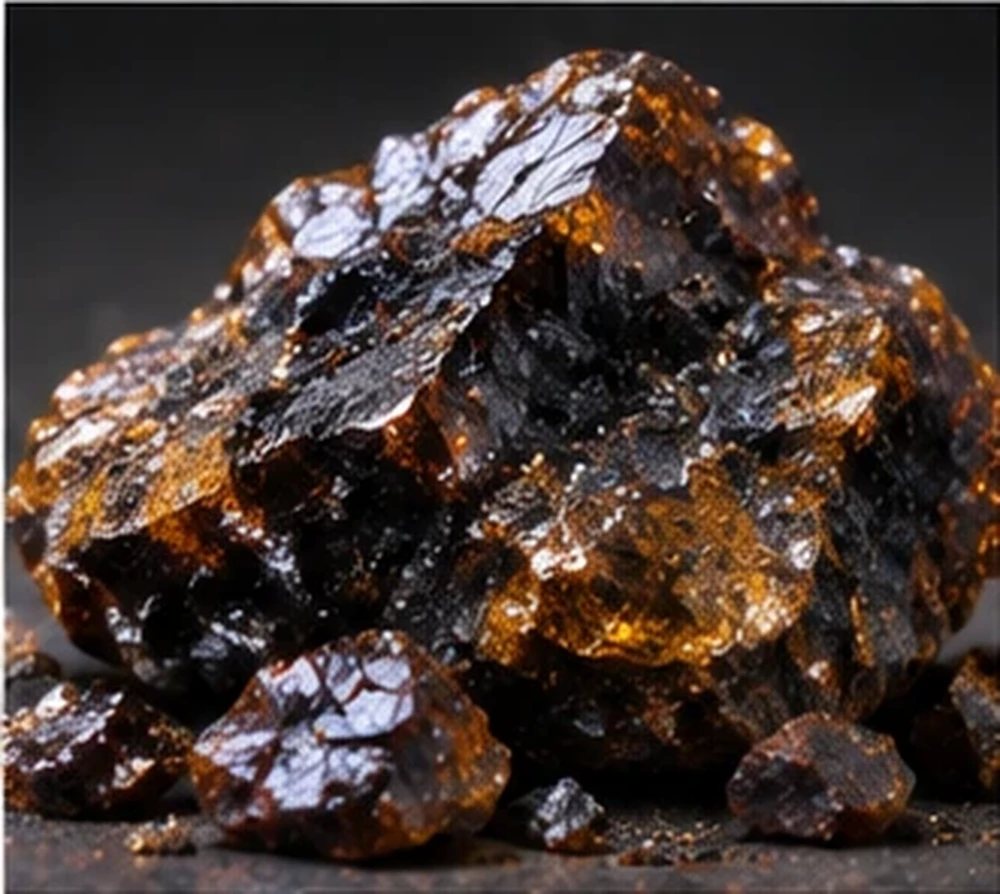
Lead and Zinc Ore & Concentrate
Commercial lead and zinc materials may be supplied at different stages of the mineral value chain. Product form, chemical composition and particle size must be confirmed for each lot.
Lead Ore & Concentrate
Lead-bearing ore and upgraded concentrate are assessed by lead content, associated minerals, impurities, moisture and size distribution.
Zinc Ore & Concentrate
Zinc-bearing materials are evaluated by zinc content, mineralogy, gangue composition and suitability for the buyer’s downstream process.
Refined Metal Products
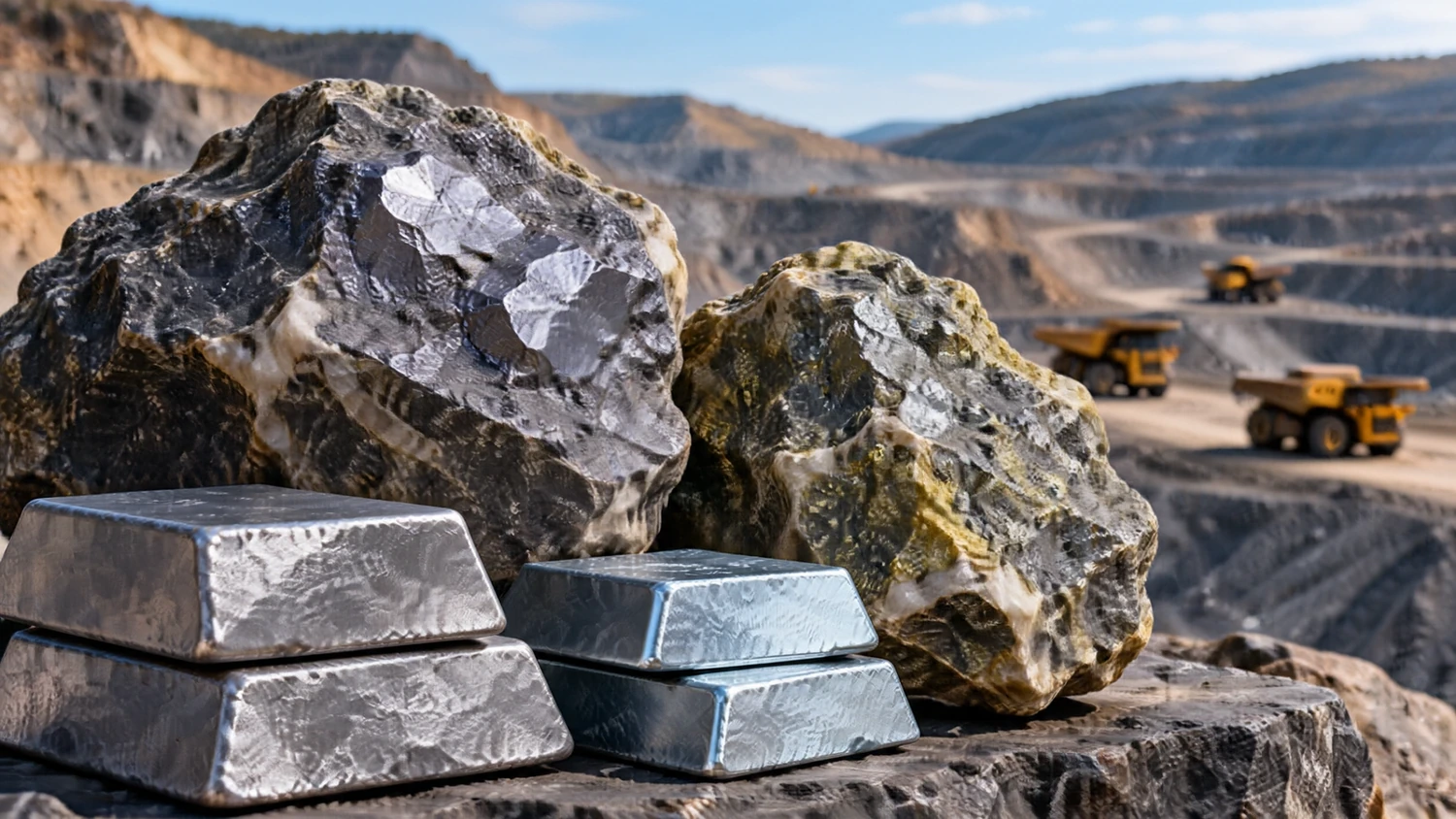
Refined lead or zinc metal may be relevant to downstream buyers, subject to product availability, origin, grade and commercial confirmation.
04 / QUALITY & SPECIFICATION
What Buyers Should Review
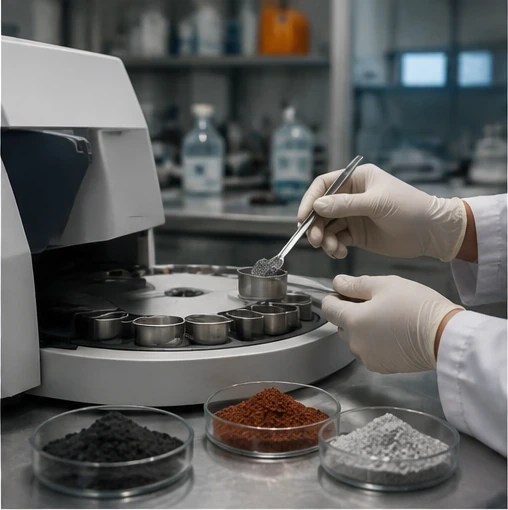
Lead and zinc materials should be evaluated through representative sampling and a lot-specific chemical analysis. A product’s suitability depends on the buyer’s process and the agreed contractual specification.
05 / INDUSTRIAL APPLICATIONS
Where Are Lead and Zinc Used?
Lead and zinc serve different industrial functions. Their applications are shaped by density, corrosion resistance, electrochemical performance and alloying characteristics.
Lead-Acid Batteries
Lead is a key material in lead-acid batteries used in vehicles, backup power and stationary energy-storage systems.
Battery manufacturing · Energy storageRadiation Shielding
Lead’s high density makes it useful in shielding systems designed to attenuate ionizing radiation in properly engineered settings.
Medical imaging · Industrial protectionGalvanizing & Corrosion Protection
Zinc coatings help protect iron and steel from corrosion and are widely used in construction and industrial infrastructure.
Steel protection · ConstructionAlloys & Die Casting
Zinc is used in brass and other alloys, as well as in die-cast components requiring suitable mechanical and manufacturing properties.
Brass · Components · ManufacturingChemical & Agricultural Uses
Zinc compounds are used in selected agricultural and chemical products. Lead compounds have also had historical industrial uses, many now restricted.
Chemicals · Fertilizers · Industrial inputsElectrical & Electronics
Zinc is used in selected electrical and electronic applications, including battery chemistries and metal components.
Electrical products · Electronics06 / EXTRACTION & PROCESSING
From Mineral Deposit to Lead and Zinc Products
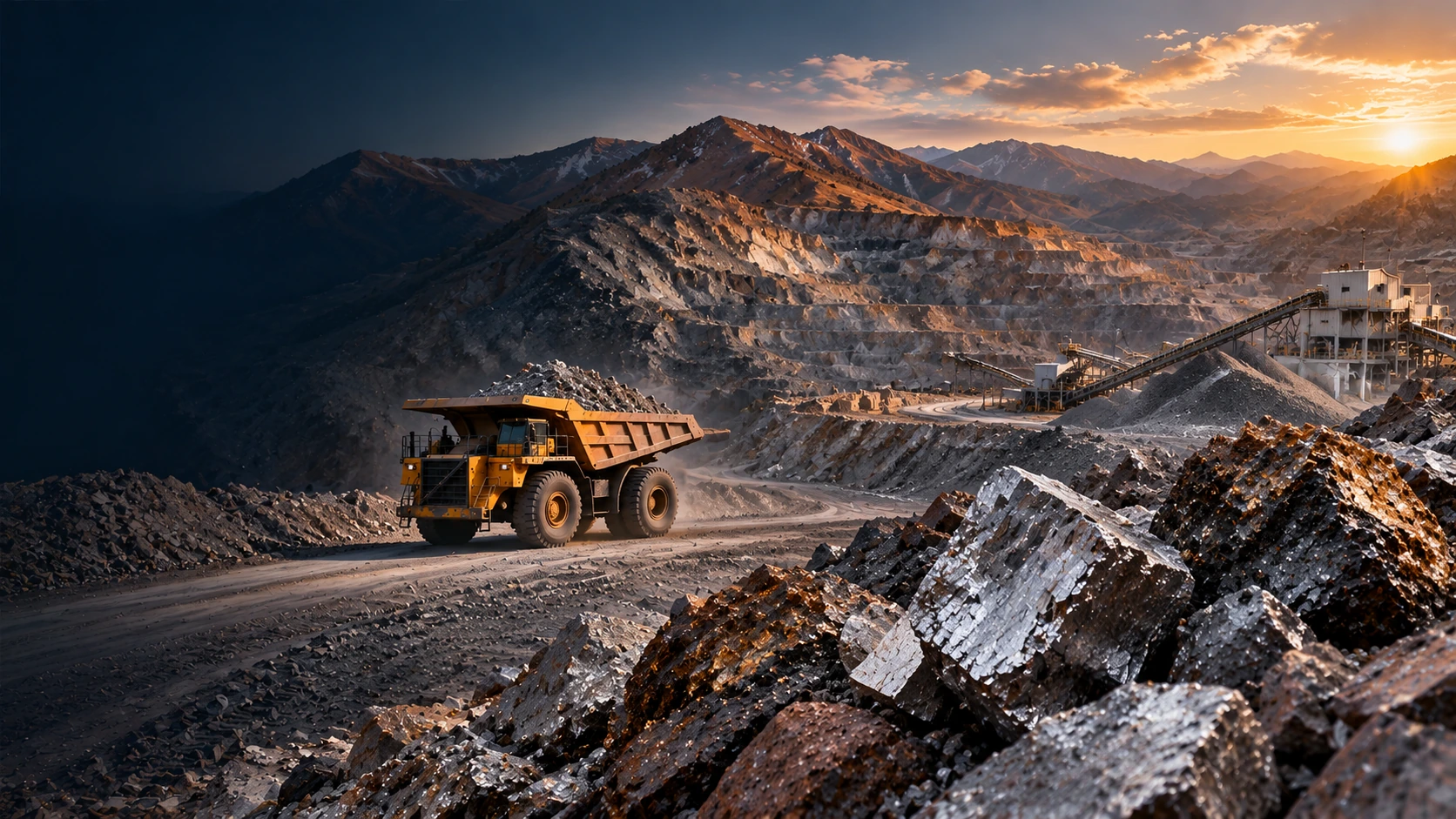
Lead and zinc ores are mined and processed through routes selected according to deposit geology, mineral liberation, ore composition and the desired product specification.
Open-Pit Mining
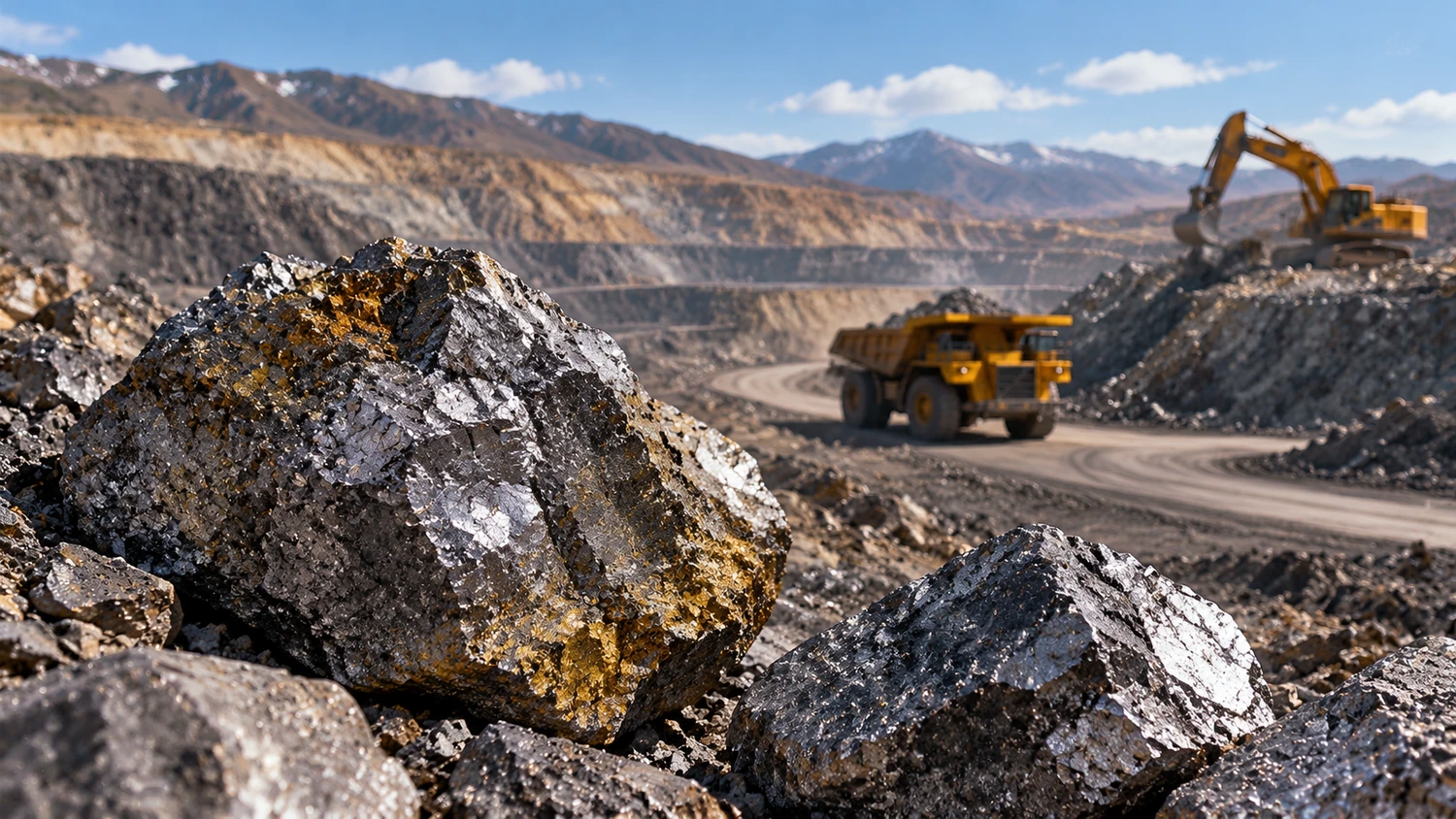
Used where ore bodies can be accessed from the surface. Benches are developed and ore is excavated and transported for preparation.
Underground Mining
Used for deeper deposits, with underground access and extraction methods selected according to ore-body geometry and ground conditions.
Ore Preparation and Concentration
Many lead-zinc ores are processed by crushing, grinding and flotation, although the exact flowsheet depends on mineralogy and testwork.
Smelting and Refining
Concentrates may undergo downstream metallurgical processing to produce refined metals, depending on the customer’s supply chain.
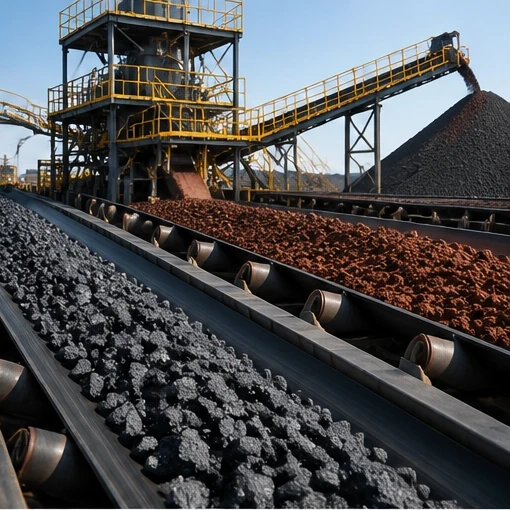
This is a general industry process overview, not a description of a specific IRMinEX-owned mine or processing plant.
07 / IRAN'S LEAD & ZINC RESOURCES
Mineral Resources Across Iran
The original IRMinEX article identifies Zanjan and Yazd among Iran’s important lead and zinc regions and refers to the Bafq and Yazd mining areas. These regions form part of the country’s broader base-metal resource landscape.
These are regional references from the legacy article. They do not establish current operating status, reserve estimates, production volumes, mine ownership or IRMinEX’s direct access to a specific mine.
EXTRACTION & EXPORT
Connecting Mineral Resources with Industrial Demand
The legacy IRMinEX article describes Iran as an important regional producer of lead and zinc and notes exports to neighbouring countries and European markets. Actual destinations, volumes and product availability should be confirmed for each commercial enquiry.
08 / RESPONSIBLE HANDLING
Lead Safety and Environmental Responsibility
Lead is a toxic metal. Exposure can occur through inhalation or ingestion of lead-containing dust and particles, and may cause serious health effects. Industrial handling therefore requires appropriate controls, trained personnel and compliance with applicable occupational and environmental regulations.
Historically, lead was used in paints, plumbing and some household materials. Many such uses have been restricted or phased out because of health risks. Modern applications must follow relevant product and exposure standards.
Responsible Handling Priorities
- Prevent dust generation and uncontrolled exposure
- Use suitable personal protective equipment and hygiene controls
- Follow applicable transport, storage and environmental requirements
- Use qualified handling, recycling and waste-management procedures
Lead safety requirements vary by jurisdiction and process. Buyers and operators should consult the relevant technical and regulatory standards.
09 / TECHNICAL & EXPORT DOCUMENTATION
Prepare a Clear Product Specification
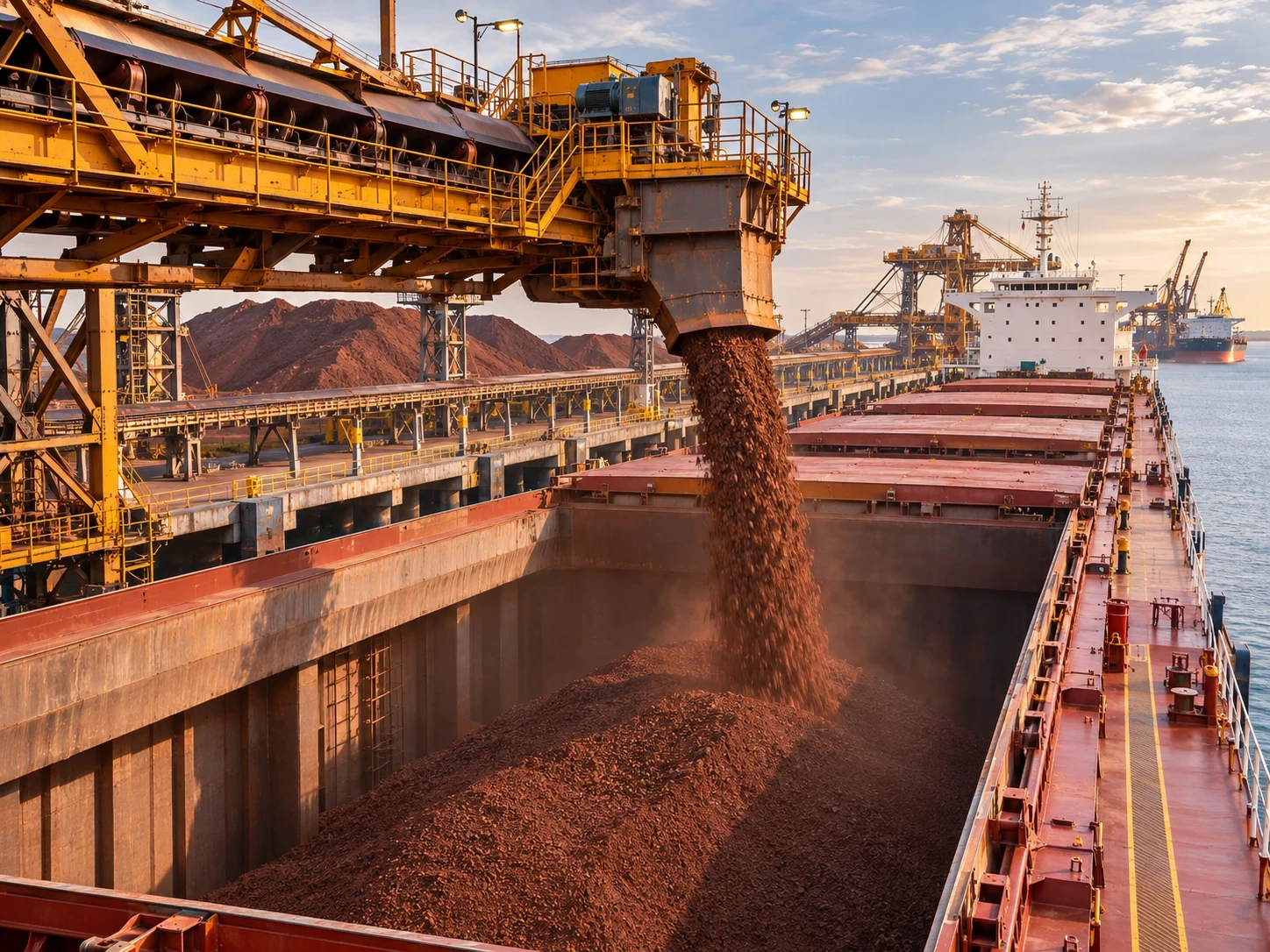
For a lead or zinc transaction, buyer and seller should align on the material type, chemical assay, physical characteristics, sampling protocol and delivery terms before shipment.
10 / MARKET ROLE
Supporting Industry Through Reliable Mineral Supply
Lead and zinc connect mineral extraction with manufacturing sectors that depend on battery materials, corrosion protection, alloys and industrial chemical inputs.
Energy Storage & Protection
Lead remains an important material for lead-acid batteries and engineered radiation-shielding applications.
Steel Protection & Alloys
Zinc galvanizing supports the durability of steel products, while zinc alloys serve casting and manufacturing uses.
Regional & International Trade
The original IRMinEX article describes exports to neighbouring and European markets. Specific market access and logistics are assessed per enquiry.
LEAD & ZINC / FAQ
Frequently Asked Questions
Answers to common questions about lead and zinc, their properties, uses and mineral resources in Iran.
What are the chemical symbols of lead and zinc?
Lead has the chemical symbol Pb and atomic number 82. Zinc has the chemical symbol Zn and atomic number 30.
What are the main industrial uses of lead?
Lead is primarily used in lead-acid batteries and is also used in engineered radiation-shielding applications because of its high density. Some historical uses, including certain paints and plumbing applications, have been restricted due to toxicity.
What are the main industrial uses of zinc?
Zinc is widely used for galvanizing steel, producing brass and other alloys, die casting, and selected chemical, agricultural and electronic applications.
Which minerals commonly contain lead and zinc?
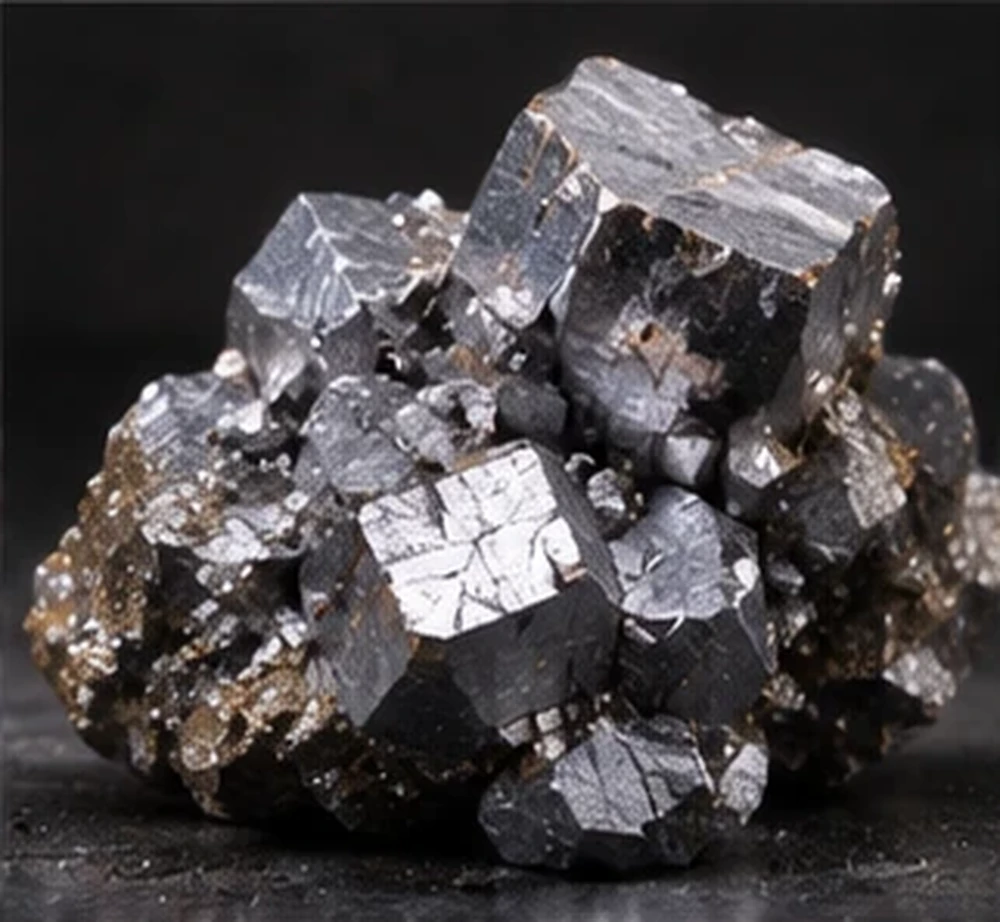
Galena (PbS) is the principal lead sulfide ore mineral, while sphalerite (ZnS) is the principal zinc sulfide ore mineral. Actual ores may contain other minerals and associated elements.
Where are lead and zinc resources found in Iran?
The legacy IRMinEX article identifies Zanjan and Yazd provinces and refers to the Bafq and Yazd mining areas as important sources.
Does IRMinEX publish current grades, quantities or prices?
The legacy article does not provide current lot-specific Pb or Zn assays, available tonnage or prices. Request a current specification and commercial offer for the material under consideration.
Why is lead handling subject to strict controls?
Lead is toxic and exposure can cause serious health effects. Handling, storage, transport and waste management must follow applicable occupational and environmental requirements.
IRMINEX / LEAD & ZINC ENQUIRY
Discuss Your Lead & Zinc Requirements
Contact IRMinEX to discuss product type, technical specifications, available supply, documentation and export arrangements for your market.